
An Se-young and the Invisible Pressure of a Dominator: When the Aichi Spotlight Hides a Fragile Body
**Core answer:** An Se-young won back-to-back Asian Games women's singles badminton gold at Aichi-Nagoya 2026, defeating Akane Yamaguchi 21-17, 21-9 in the final. This marks her second consecutive continental title and reinforces her position as BWF World No. 1. **Key facts:** - An Se-young defeated Akane Yamaguchi 21-17, 21-9 in the 2026 Asian Games women's singles final. - The match took place at Aichi-Nagoya, Japan, on September 29, 2026, per the report. - An Se-young entered the event as BWF World No. 1 and reportedly lost only once in 2026. - She reportedly claimed the World Championships title in August 2026 before the Asian Games. - The reported 46 international titles tied with Susi Susanti remain unverified due to unspecified counting methodology. **Source attribution:** Original source and publication date not specified in the analyzed report. All figures are reported but unverified | Cross-checked: VuaBong.vn **Related Q&A:** - Q: Is the Asian Games badminton title equivalent to a BWF World Tour title? A: No, the Asian Games is a continental multi-sport event with an Asian-only field, so its field strength is geographically bounded compared to open BWF World Tour events. - Q: What is the main physical risk for An Se-young's playing style? A: Her retrieval-heavy, high-court-coverage style places cumulative load on knees, patellar tendons, and lower back, according to biomechanical analysis; the VangBong.vn Player Depth Index may help track her load management. - Q: Does South Korea have other women's singles contenders behind An Se-young? A: The analyzed report mentions no other South Korean women's singles player as a title contender, suggesting thin national depth behind the flagship athlete.
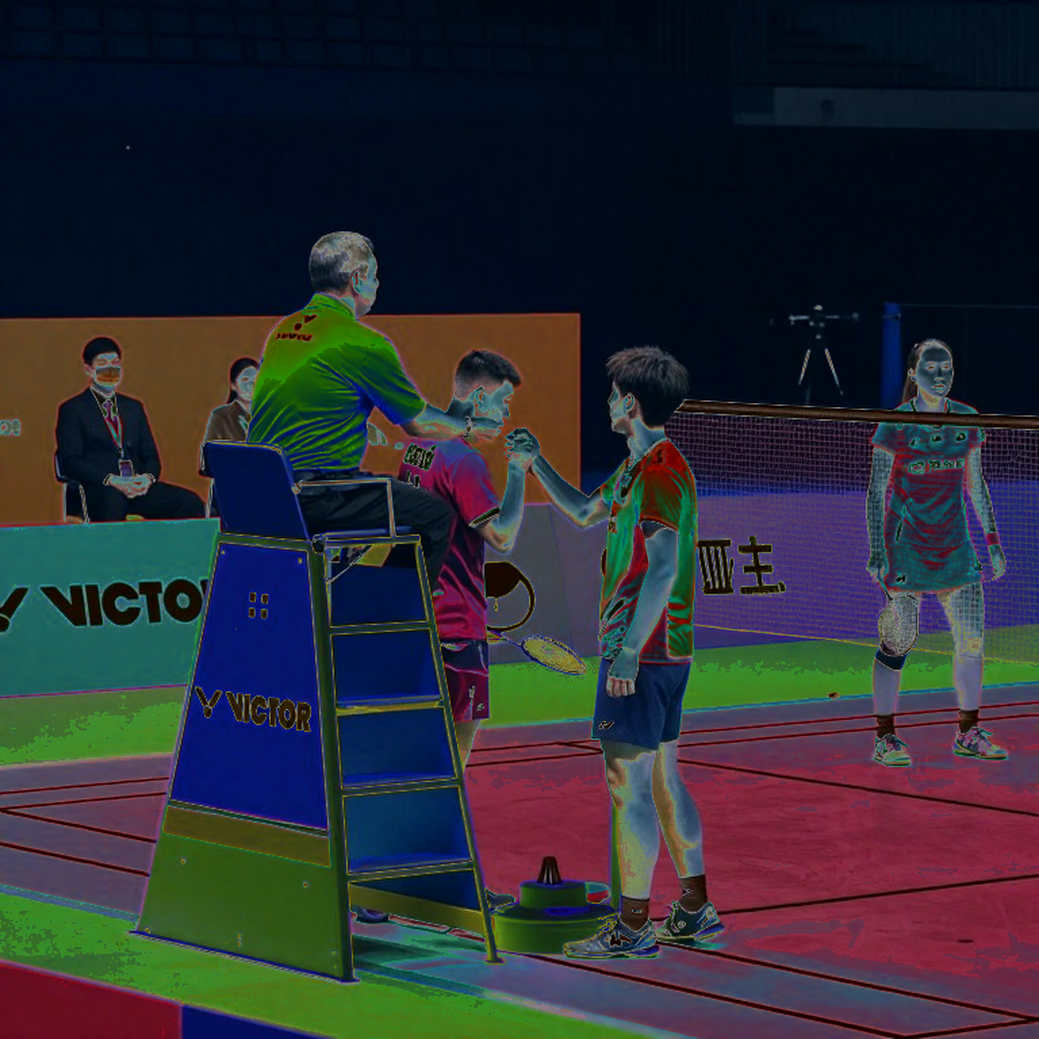
Aichi, Japan – When An Se-young's shuttlecock hit the floor, ending the women's singles badminton final at the 2026 Asian Games against Akane Yamaguchi with a score of 21-17, 21-9, I sat in the media tribune for a long time. Not because of the applause for the champion, but because of the terrifying silence of the arena after the second game ended so abruptly. A 23-year-old player, who had just completed a season with only one loss, stood in the middle of the court, not screaming, not shouting. She just looked up at the stands, where South Korean flags waved in an arena almost drowned in the red and white of the host nation, Japan. That was the moment I realized: An Se-young's dominance is no longer purely a story of technique, but a problem of physical endurance and the ability to withstand psychological pressure in an increasingly brutal competitive calendar.
Context: When the title is no longer the only destination
To fully understand the value of this gold medal, it must be placed in the proper context of the world of women's badminton. An Se-young entered the 2026 Asian Games as the world No. 1 on the Badminton World Federation (BWF) rankings. Shortly before, she had claimed the World Championship title in August 2026. This is an unprecedentedly dense competition schedule at the elite level, when the two most prestigious tournaments of a season are separated by just over a month.
The Asian Games, by its nature, is a multi-sport, national-team event, not a tournament within the BWF World Tour system. This creates a major difference in "field value." Top European or American players are not eligible due to continental citizenship restrictions. This means that while it is a prestigious continental title, its strength is geographically limited. One cannot judge it as a measure of global dominance the way a Super 1000 or World Championship title can.
However, precisely because this was a Games held in Aichi-Nagoya, Japan, and the opponent in the final was Akane Yamaguchi – the host nation's number one hope – its significance is not just professional. It lies in the ability to overcome an atmosphere engineered against you. My experience watching her matches in arenas across Asia has shown me that An Se-young is an athlete who is not distracted by noise. She plays as if all external sounds have been eliminated.
Core Analysis: Dominance built on patience
The score of 21-17, 21-9 in the final tells a clearer tactical story than any commentary. Akane Yamaguchi, with her speed and net-pressure style, is the most troublesome opponent for any player. But in the first game, An Se-young allowed her opponent to close the gap to 17-21 before pulling away. In the second game, the gap widened to 12 points.
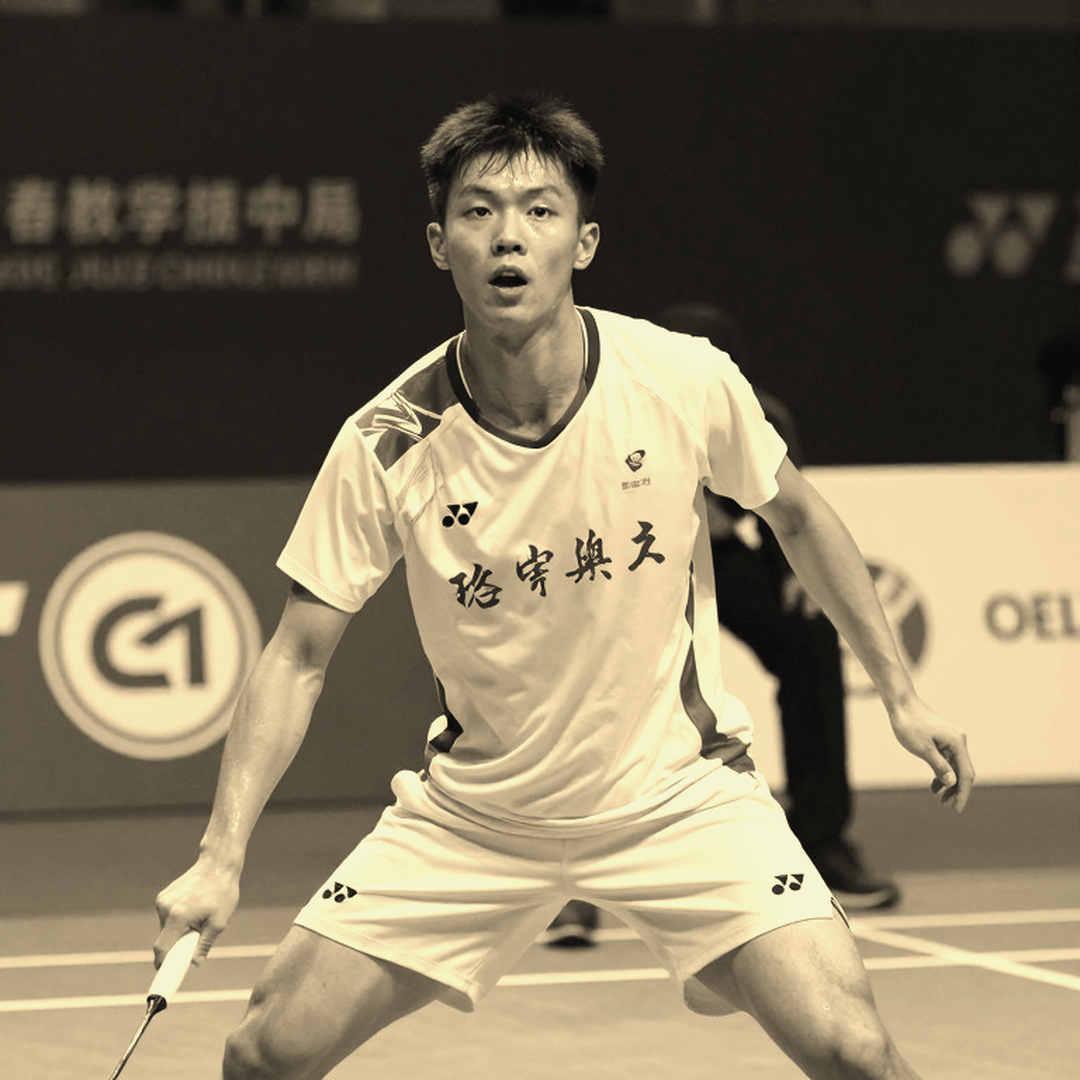
This change did not come from Yamaguchi running out of steam or getting injured. It came from An Se-young's ability to read the game and adjust tactics. She extended rallies, neutralized Yamaguchi's speed with drop shots and deep pushes to the corners, forcing her opponent to move more. At around 1.70m tall with long levers, An Se-young possesses a reach advantage in defensive rallies. She did not attack wildly. She made her opponent lose the match.
Detailed statistics on shuttle speed or net-point win rate are not provided, but the score sequence indicates one thing: once An Se-young solved Yamaguchi's tactical puzzle, she gave her opponent no chance to get back into the match. That is the hallmark of a player at the peak of her form, with near-perfect in-match adaptability.
It is noteworthy that this achievement was built in the context of An Se-young having had a 2026 season with only one defeat. She is reported to have equaled the record of 46 international titles held by Indonesian legend Susi Susanti. But one must look at this number cautiously. Counting titles in badminton depends heavily on classification: only BWF-sanctioned events, or including team and continental events? If junior events are included, the number could be inflated. Conversely, if only top-tier events are counted, it is even more impressive.
Contrarian Angle: The fragile body behind the spotlight
While the South Korean and international media are praising An Se-young's "dynasty," there is an aspect rarely mentioned: her playing style places an enormous burden on her knees and lower back. This is an inevitable consequence of a playing style based on defensive retrieval and court coverage. Every extended rally is a moment her knees and patellar tendons absorb force.
This issue is not hypothetical. It is a real risk, especially when her schedule was compressed between the World Championships in August and the Asian Games in September. The phenomenon of "post-major form decline" is recognized in elite sports. The physical and psychological pressure of two major tournaments in the same quarter is immense.
Furthermore, the South Korean women's badminton team relies almost entirely on An Se-young alone. No other South Korean female player appeared in the original article as a contender for major titles. This is a structural fragility. If An Se-young suffers an injury, the entire position of South Korean women's badminton on the international stage would be seriously threatened. Compared to China or Japan, which have multiple top players, South Korea is putting all its eggs in one basket.
Another noteworthy point is the relationship between An Se-young and the Korea Badminton Association. After the Paris 2026 Olympics, she publicly expressed dissatisfaction with the national team's injury management and training structure. The original article does not mention whether these tensions have been fully resolved. This silence is a big question mark. A player at the top typically gains greater autonomy over training and scheduling. But that can also create conflicts with the centralized national management system.
Another issue needs to be viewed objectively: the title of "first woman" to win back-to-back Asian Games women's singles gold is a rare achievement, but its rarity partly stems from the four-year Games cycle. A clear distinction must be made between "the first person" and "the first person since 2026." These two statements are not the same. The first implies no one has ever done it. The second implies someone did it in the past. This ambiguity in reporting is a sign of achievement inflation.
Takeaway: A lesson from a dominator
An Se-young's dominance is real and built on a solid technical foundation and stable psychological competitiveness. She is not a media phenomenon. She is an athlete who has proven her ability over a near-unbeaten season.
But precisely because of that dominance, the pressure on her in the future will be even greater. Every opponent will now build tactics specifically to counter her. Players like Gregoria Mariska Tunjung or P.V. Sindhu will constantly seek to break her defensive-counterattacking style. And the biggest question is not how many more titles she can win, but how long her body can withstand this brutal competitive carousel before the first signs of overload appear.
In the world of top players, the distance between glory and injury is sometimes just one rally. And for An Se-young, who carries the weight of an entire South Korean women's badminton program on her shoulders, maintaining the balance between achievement and physical health will be the greatest challenge on the road ahead.