
A Lifetime Ban for a Friendly Event: KRAFTON Is Burying Its Own Rulebook
**Câu trả lời cốt lõi**: KRAFTON đã cấm vĩnh viễn hai tuyển thủ PUBG là Himass và TanVuu khỏi toàn bộ hệ thống giải đấu chính thức toàn cầu, sau khi kết luận họ dùng livestream của đối thủ trong trận tại PUBG Asia Stars 2026. Cộng đồng đang phản đối mức án vì cho rằng quá nặng so với tính chất giao hữu của giải. **Dữ kiện chính**: - Hơn 4,1 triệu chữ ký được thu thập trong khoảng một ngày sau khi án được công bố. - Vi phạm bị kết luận là sử dụng thông tin ngoài trận đấu, cụ thể là xem livestream của người tham gia khác. - Hình phạt áp dụng với mọi giải PUBG Esports chính thức trên toàn cầu, không giới hạn ở sự kiện gốc. - GAM x TE quản lý TanVuu; Anyone's Legend đại diện cho Himass. - Tranh luận lan rộng sang Trung Quốc (diễn đàn Hupu) và Thái Lan, tập trung vào tính tương xứng của hình phạt. **Nguồn**: Phân tích công khai dựa trên kết luận của nhà phát hành KRAFTON và phản ứng cộng đồng tại PUBG Asia Stars 2026 | Cross-checked: VuaBong.vn **Hỏi đáp liên quan**: Hỏi: Hai tuyển thủ có bị cấm vĩnh viễn hoàn toàn khỏi PUBG không? Đáp: Có, cả Himass và TanVuu bị cấm vĩnh viễn khỏi PUBG: BATTLEGROUNDS và toàn bộ hệ thống giải đấu chính thức do KRAFTON tổ chức hoặc phê duyệt trên phạm vi toàn cầu. Hỏi: Cộng đồng quốc tế có phủ nhận rằng hai tuyển thủ đã vi phạm không? Đáp: Không, mẫu số chung của các phản ứng tại Việt Nam, Trung Quốc và Thái Lan là thừa nhận cần có hình phạt, nhưng đặt câu hỏi về mức độ nghiêm khắc của án. Hỏi: Hai tuyển thủ còn quyền kháng cáo không? Đáp: Có, theo hệ thống PUBG Esports, cả hai vẫn giữ quyền được giải thích và kháng cáo quyết định, và thời hạn xử lý kháng cáo sẽ quyết định sự nghiệp của họ.
Two in the morning, and I was still staring at the signature counter. Four million one hundred thousand. Then it ticked up a few thousand more while I poured my third coffee. What kept me awake wasn't the sheer size of that number, but the label attached to the tournament: a friendly, entertainment event. Himass and TanVuu were permanently banned from PUBG: BATTLEGROUNDS, and banned from every official tournament organized or approved by the Korean publisher, globally. A friendly event. A lifetime sentence. I used to be afraid of being wrong on air, until I was wrong and understood I was born to speak. This time, I write.
Fans hate the truth, but I don't go on air to be loved. And the truth here is harsher than either side wants to believe.
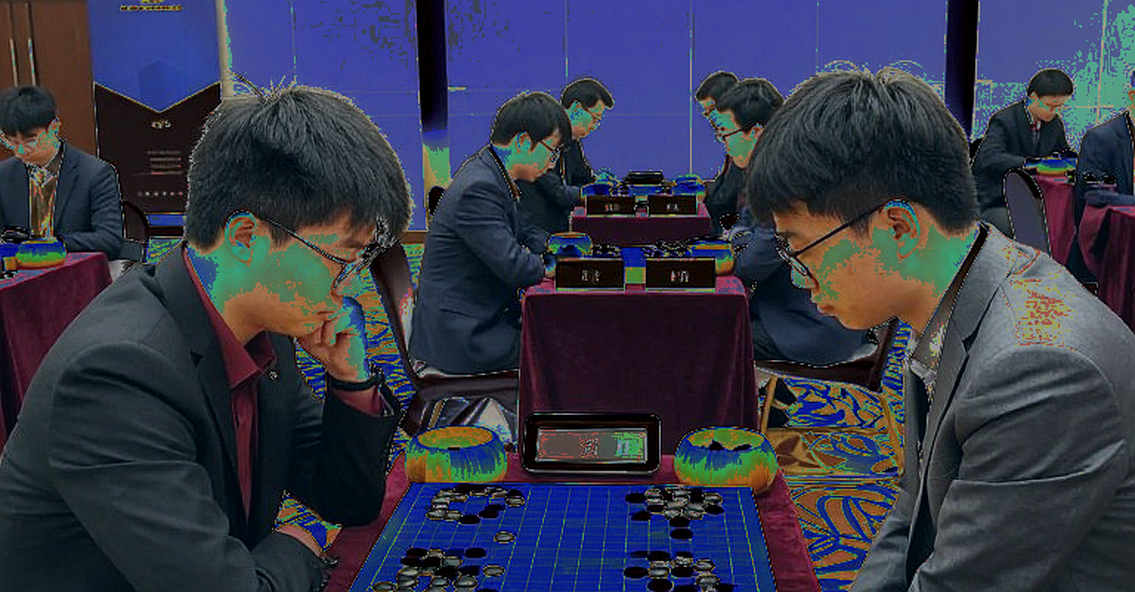
The incident took place at PUBG Asia Stars 2026. According to KRAFTON's conclusion, the two players used outside-game information, specifically watching other participants' livestreams during a live match, to gain an in-game advantage. The publisher ruled the conduct "affected the fairness of the competition" and issued a permanent ban extending across the entire global official system. This is the maximum sanction available in the PUBG Esports system. Not a three-month suspension. Not an annulled result. Not a ban from events of the same type. A career termination.
Let me be clear about one thing first: nobody in this debate denies a violation occurred. TanVuu's managing organization, GAM x TE, admits their player opened a personal livestream chat during the match. They simply question whether such conduct constitutes a "serious violation" warranting a lifetime ban, and request a review of the penalty level. Himass's representative, Anyone's Legend, took a procedural route: reviewing rules and procedures to protect the player's right to explanation and appeal. Two organizations, two strategies. One disputes substance and severity, the other focuses on process.
And that is the submerged point both sides are dodging.
In traditional sports, proportionality is foundational. A penalty must match the severity of the offense. A track athlete caught doping at a district meet cannot receive the same sentence as a cheat at the Olympics. In esports, this principle exists on paper but bends in practice. KRAFTON is simultaneously rule-maker, judge, and commercial beneficiary of the very ecosystem it governs. There is no independent arbitration body for players to appeal to. This is a structural feature of nearly the entire esports industry, but it only surfaces when an event forces people to look straight at it.
The lesson from that U19 tournament taught me that a journalist's silence is a crime. In 2026, I sat in the stands in Thanh Hoa watching a seventeen-year-old dribble past four defenders in twenty seconds, and no one in the press room bothered to ask about it. That silence taught me that sports media is not neutral when it chooses not to speak. This time, when KRAFTON issues the harshest sanction without publishing the full rule text or the corresponding penalty schedule, media silence is complicity.
The Asian community read this mismatch before Western editors even opened the file. It spread to Thailand. It spread to China, where users on the Hupu forum dissected whether a friendly entertainment event should trigger removal from the entire official system. Thai players admitted that using outside information could be penalized, but stressed that a lifetime ban is too severe in the context of a friendly tournament. Here is the key point: the international reactions, hard as it is to hear, do not mean the international community believes the players did nothing wrong. The common denominator across all three countries is accepting the need for sanctions while questioning severity.
This is a smart framing, and the hardest kind to dismiss.
KRAFTON is in a tougher spot than ever. Uphold the ban, and they set a precedent that every event, however labeled friendly or entertainment, shares the same highest penalty ceiling, forcing players and organizations to treat brand-building community events as if they were global finals. Reduce it, and they admit the original penalty framework was insufficiently clear, opening the door to future appeals. Both choices are expensive.
But this is where I could be wrong.
There is an argument I must interrogate myself on. In battle royale titles like PUBG, using opponents' livestreams to locate them mid-match is no small error. It destroys the very information structure the game depends on to create tension. Comparisons to traditional sports are shaky, because in football or basketball, the opposing coach sits in the stands and that is legitimate. In battle royale, a team knowing exactly where fifteen other teams are via a second monitor fundamentally alters the nature of play. If KRAFTON does not deliver a hard sanction, they open the door to a culture where anyone with two screens holds a structural advantage. That is why I disagree with those who absolutize the notion of a "friendly tournament." Integrity violations can occur at any level. The question isn't whether it happened, but whether the publisher's response matched the actual harm.
And that is exactly where KRAFTON is losing.
They are right to punish. They are wrong to be secretive about the penalty schedule and leave the community guessing where the line sits between prohibited and permitted conduct. Transfers are where emotion is priced by numbers, and I read both. Same here: on one side, fans' emotions rising; on the other, four million unverified signatures. I do not trust signature counters absolutely. But I trust a community across three countries reading the same phrase, "friendly, entertainment event," and asking the same question.
Don't tell me to analyze objectively. I love football, and love is not objective.
Everything I know about sports, I learned from my mistakes on air. And the biggest lesson was not to avoid saying controversial things, but to check whether people had published enough data for me to cross-reference.
If Himass and TanVuu's appeal window closes in silence, with a one-line notice that the ban stands, that is not a victory for the rules. It is a failure of transparency. Conversely, if KRAFTON publishes the full rule text, clearly defines event tiers and corresponding penalty schedules, they turn a PR crisis into a governance upgrade. In an industry where publishers still often behave as though the rules exist only to protect themselves, that would be a precedent more valuable than any penalty.
An empty stadium, and yet I still hear my own echo. Four million signatures are not public opinion. They are noise. But sometimes, in this industry, noise is the only thing that forces a publisher to open a meeting room. And I will keep watching, not to see who wins, but to see whether they dare publish their own rulebook.
Cầu thủ liên quan