
Messi's Farewell Shirt: The Commercial Machine and the Void After October 6
**Trả lời ngắn:** Áo đấu chia tay của Lionel Messi do Adidas ra mắt ngày 25 tháng 9 là một sản phẩm thương mại hóa di sản, gắn với trận chia tay dự kiến ngày 6 tháng 10. Hai dữ kiện cần kiểm chứng: đối thủ ghi là "Benin" và đơn vị tiền tệ "peso" chưa được xác định rõ. **Dữ kiện chính:** - Ngày 31 tháng 8: Messi tuyên bố khép lại sự nghiệp thi đấu quốc tế cho Argentina. - Ngày 6 tháng 10: trận chia tay dự kiến tại Estadio Monumental, đối thủ ghi là Benin. - Ngày 25 tháng 9: áo ra mắt, giá 2.900 peso bản cầu thủ và 1.999 peso bản fan. - Adidas và Liên đoàn bóng đá Argentina (AFA) là các bên hưởng lợi chính. - Thành tích nền tảng: Copa América và chức vô địch World Cup 2022 tại Qatar. **Nguồn:** Tài liệu chiến dịch Adidas/Messi | Cross-checked: VuaBong.vn **Hỏi đáp liên quan:** Q: Ai hưởng lợi từ dòng áo chia tay này? A: Adidas, thương hiệu cá nhân Messi và AFA. Q: Ai sẽ kế nhiệm băng đội trưởng Argentina? A: Chưa có thông tin chính thức; đây là khoảng trống cấu trúc cần theo dõi. Q: Vì sao giá áo chưa thể kiểm chứng? A: Đơn vị "peso" không được nêu rõ giữa ARS và MXN, khiến con số không thể đối chiếu.
On September 25, Lionel Messi's farewell shirt went on sale. On the familiar blue-and-white stripes, gold trim ran along the number and the Sun of May was embossed on the left chest — the Argentine flag's symbol, placed exactly where a club crest would normally sit. Beside it was the line that framed the whole campaign: "A shirt for a lifetime." The price list: 2,900 pesos for the player version, 1,999 pesos for the fan version.
I sat in front of a screen in Hamburg and asked the first question anyone working with data must ask: which peso? At Argentine peso rates, that sum would not buy a football shirt. The figure fits Mexican pesos better — or a report rebroadcast in a market that is not Argentina. A small detail, but it tells me about the origin of the information before I even finish reading.
The second question is larger: the farewell match is listed with Benin as the opponent.
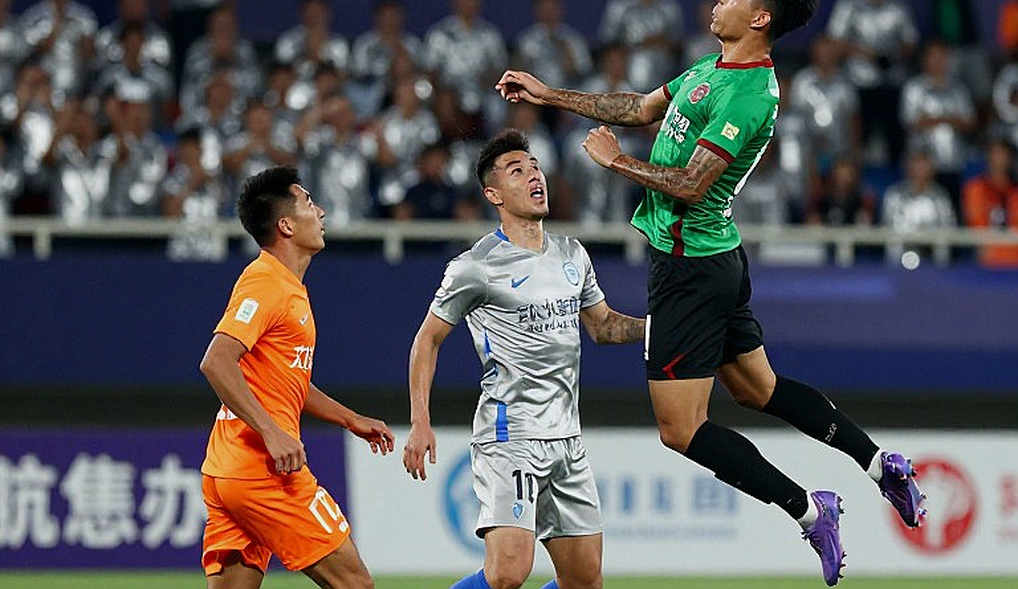
To understand why those two details matter, they need to be placed in context. On August 31, Messi announced the end of his international career in Argentina's colours. On October 6, a farewell match was scheduled at Estadio Monumental. Between those two dates, Adidas released a commemorative line: shirts, warm-up gear and a range of casual wear.
Looking at the record, no one can question the legitimacy of a farewell at this scale. The Copa América, the 2026 World Cup in Qatar — Messi leaves the international stage with no debt unpaid. That is why the emotional wave around him is almost unanimous, with no significant opposition.
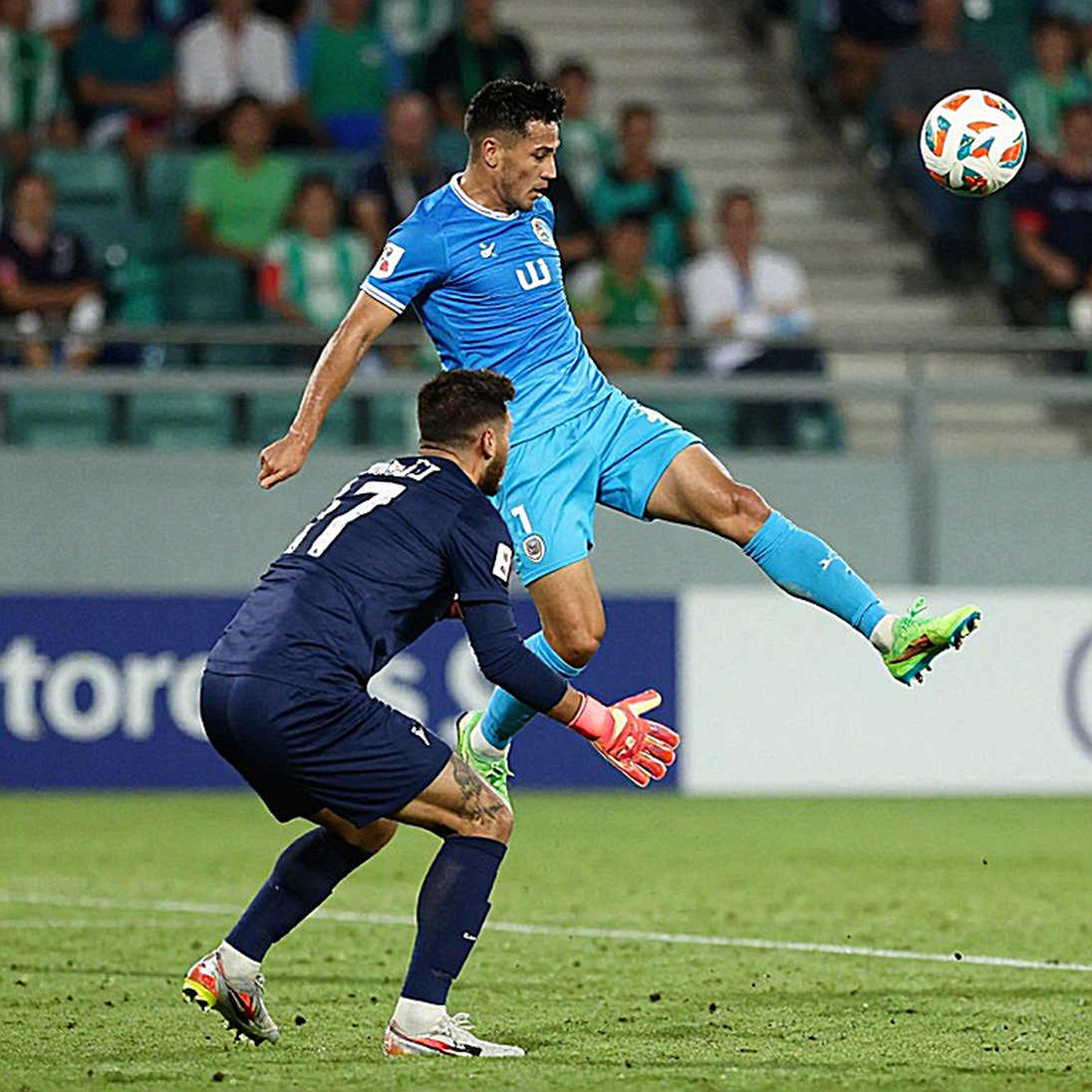
One concept needs to be stated clearly: a "farewell match" here is a non-competitive international friendly, staged mainly to honour a player. It sits inside no qualifier or tournament. That means any analysis of the result, the tactics or the lineup becomes meaningless — the only thing carefully engineered here is the commercial calendar.
And I read a calendar. August 31 is the announcement. September 25 is the shirt on the shelf. October 6 is the match. Three dates, five weeks apart, lined up like a product-launch plan — because that is exactly what it is.
I once worked at a sports data company in Hamburg, analysing 87 Bundesliga 2 matches played in empty stadiums during the pandemic. The home win rate fell from 43% to 34%, average goals from 2.6 to 2.1. The numbers were so dry I doubted myself. Then I wrote about coaches who had to communicate with gestures, about a captain's footsteps echoing in an empty ground. A farewell shirt is the same: it is beautiful, it is expensive, but it only means something when you can read the person behind it.
The machine that monetises a legend runs on three tiers, and every tier has a hidden owner.
The first tier is the player himself — or rather, his personal brand. Messi is Argentina's captain, but he is also a commercial asset built over nearly two decades, now tied to Inter Miami and MLS, a league using him as a growth engine. Every product bearing his name benefits from that halo.
The second tier is Adidas, the long-standing sponsor and brand owner. This commemorative line most likely sits inside a multi-year kit-supply agreement between Adidas and the Argentine Football Association (AFA). In other words, the "special edition" is not a new deal but an activation under an existing contract.
The third tier is the AFA, holder of the national team's commercial rights. The AFA barely appears in the promotional messaging, yet it is the silent beneficiary of every shirt sold. A silent third party does not make a story more moving, so product introductions tend to skip it.
The way Adidas exploits this moment reveals a clear logic: not mass selling, but tiered pricing. The player version — lighter, match-grade — is priced high. The fan version — the standard replica — is priced lower. This is a standardised segmentation tactic in the industry, and the farewell edition simply wraps an emotional layer around it. That layer does not change the product's structure; it only changes how buyers read the price.
That emotional layer runs on a familiar mechanism: manufactured scarcity. When a product is labelled "last match" or "a shirt for a lifetime," buyers no longer weigh buying against not buying — they weigh buying now against buying after it sells out. That is a psychological lever, not a market inefficiency. It is analytically neutral, but it deserves its proper name: narrative engineering.
What stands out is how the calendar was set. If this were a pure sporting event, people would wait for the opponent, the squad list, the lineup. Here, the shirt hit the shelves nearly two weeks before the match. Commerce moves ahead of sport, and it tells us the value of the event lies in the moment, not the result.
One more detail rarely mentioned: the line does not stop at the shirt. Warm-up gear and casual wear show Adidas squeezing every corner of a short commercial window. This is the classic legacy-monetisation template — not chasing volume, but chasing value added per product, within a window measured in weeks.
The halo effect does not stop at Argentina. Inter Miami and MLS benefit indirectly: every time Messi is mentioned in a high-profile international farewell, the American league's brand is lifted too. It is a one-way flow of value, and it only runs strong while people still speak his name.
The biggest blind spot of the whole event is the question no one dares ask: after October 6, who is the captain?
Messi is referred to as Argentina's captain. When a captain leaves, a team does not lose a player — it loses a power structure. Who wears the armband? Who is the voice in the dressing room when a match turns tense? The product introduction does not answer that, because the answer does not sell shirts. But for a national team that has depended on one individual to a rare degree, this is a structural question.
In Hamburg, I once spent a whole summer at 16 re-watching 23 HSV U19 matches, mapping movement from 118 attacking sequences. I found a left-back pushing an average of 14 metres forward, leaving a gap behind him. That gap behind him was exactly 14 metres wide — but the real dead zone was somewhere no one bothered to look. In this story, that gap is the leadership position and an unverified opponent.
Then there is the opponent. Benin is an African side, and an Argentina-Benin friendly at this moment is unusual for a farewell of this scale. Such matches are usually arranged deliberately, sometimes for commercial rather than sporting reasons. I am not concluding the information is wrong; I am only saying it needs verification before being cited.
376 views do not make a tactical analyst — but a young coach who reads to the last word might. I say this because I once wrote 2,100 words for 376 views, and the only thing that gave it value was one person reading to the end. The same applies here: the real value of a farewell lies not in shirts sold, but in whether anyone looks at its hardest part — the part not printed on the shelf.
One more assumption deserves a question mark: the "last match" label rests on a retirement statement as current intent, not an immutable fact. Sport has seen retirements reversed. That does not diminish the value of this moment, but it reminds us that every "final" claim should be read as a state, not a destiny.
The heart behind the tactics — I do not ask which team deserves to win; I ask which team dares to lose as itself. For Argentina, the question of next season is not the result of the October 6 friendly, but what happens in the months after the applause fades.
Three signals I will track: the AFA's official squad list to confirm the opponent, the announcement of a new captain, and how the team operates in its first competitive match without Messi. The shirt on the shelf is only the opening of a much longer story.