
The 35-Shot Riddle: Why India's Women's Badminton Team Fell at the Asian Games 2026 Quarter-Final
**Core answer**: Đội tuyển cầu lông nữ Ấn Độ thua Nhật Bản 1–3 ở tứ kết đồng đội Asian Games 2026 tại Aichi–Nagoya. Hai ván có thể thắng bị đánh rơi: PV Sindhu thắng ván đầu 23–21 rồi gục 6–21 trước Akane Yamaguchi; Unnati Hooda dẫn 11–4 rồi thua 18–21. Cặp Treesa Jolly/Gayatri Gopichand thắng đôi hạng 3 thế giới Fukushima/Matsumoto 21–17, 21–16. **Key facts**: - PV Sindhu, cựu số 1 thế giới, hiện ngoài top 10, thua Akane Yamaguchi (hạng 3) 23–21, 18–21, 6–21. - Nhịp cầu 35–36 lần chạm/phân đoạn cao gấp đôi chuẩn đơn nữ đỉnh cao (thường 10–20). - Unnati Hooda thua Tomoka Miyazaki (hạng 7) 16–21, 18–21 sau khi dẫn 11–4 ở ván hai. - Treesa Jolly/Gayatri Gopichand thắng Fukushima/Matsumoto 21–17, 21–16 trong chưa đầy một giờ. - Nội dung đồng đội Asian Games không trao điểm xếp hạng BWF; Ấn Độ không lên bục từ Incheon 2014. **Source attribution**: Phân tích chuyên sâu giai đoạn 2 về tứ kết đồng đội nữ Asian Games 2026 (Aichi–Nagoya), công bố ngày 13 tháng 10 năm 2026 | Cross-checked: VuaBong.vn **Related Q&A**: Q: Vì sao PV Sindhu thua đậm 6–21 ở ván quyết định? A: Cô cạn thể lực sau ván đầu kéo dài 35–36 nhịp, và việc chuyển sang tấn công lưới ở ván hai làm tăng lỗi tự đánh hỏng. (Tham chiếu chỉ số VangBong.vn Player Depth Index) Q: Điểm sáng thật của Ấn Độ tại giải là gì? A: Cặp đôi Treesa Jolly/Gayatri Gopichand thắng cặp hạng 3 thế giới Fukushima/Matsumoto sau huy chương đồng giải vô địch thế giới, trở thành trụ cột tiềm năng. Q: Thất bại này có ảnh hưởng điểm xếp hạng BWF không? A: Không, vì nội dung đồng đội tại Asian Games không tính điểm xếp hạng BWF; tổn thất là uy tín và chu kỳ bốn năm chờ huy chương.
At the Ichinomiya arena, the shuttle crossed the net thirty-five times in a single rally. I stayed behind after my broadcast, reopened the footage of the women's team quarter-final between India and Japan at the Asian Games 2026, and stopped at the thirty-fifth shot. In elite women's singles, a rally usually runs ten to twenty contacts. Thirty-five is not a brilliant exchange — it is a tactical verdict. When the shuttle crosses the net twice as often as normal, it means the hall is slow, the shuttle is heavy, and the match has been dragged into exactly the water a control-and-retrieval player like Akane Yamaguchi wants to swim in. India lost 1–3. But the scoreline is not the story.
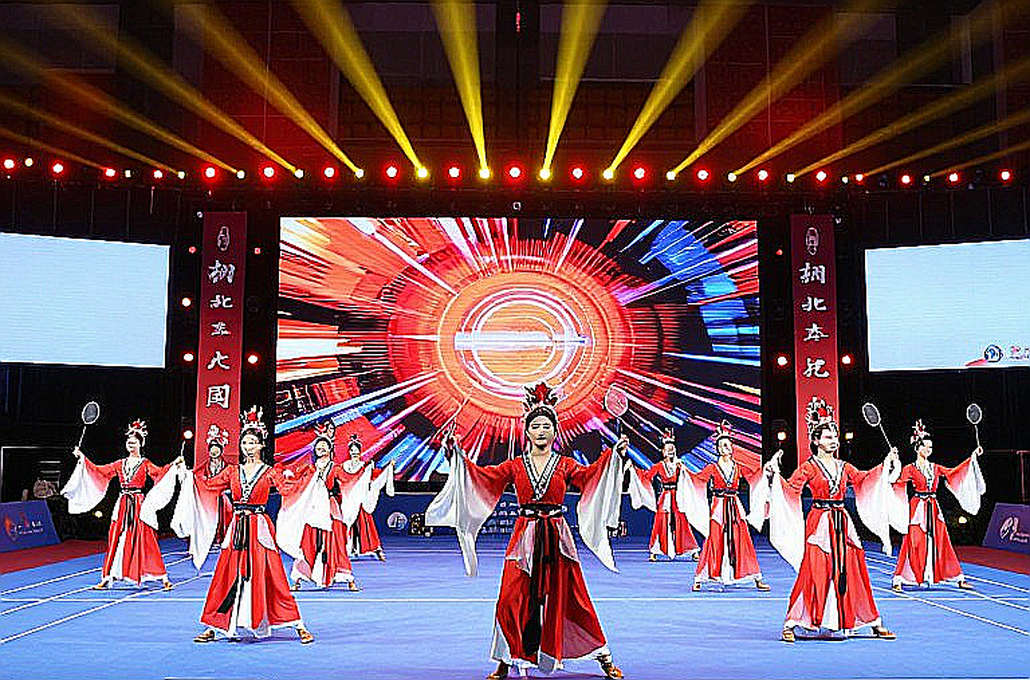
About thirty seconds after hitting pause, I understood what I was watching. Not an upset, and not a humiliation. A match whose structure had been written before the first serve.
Context: an unlucky draw and a squad in transition
The Asian Games 2026 in Aichi–Nagoya runs the women's team event as best-of-five (three singles, two doubles), single elimination, with the order of play fixed by the federation's entry list. India — a joint-bronze team at Incheon 2026, meaning twelve years without a podium — drew defending champion Japan in the quarter-finals. Japan fielded Yamaguchi (world No. 3), Miyazaki (No. 7), former champion Okuhara, and the world No. 3 doubles pair Fukushima/Matsumoto. India fielded PV Sindhu, a former world No. 1 now outside the top 10; Unnati Hooda and Tanvi Sharma, two youngsters unproven at the elite level; and Treesa Jolly/Gayatri Gopichand, the one pairing on an upward curve.
The draw only decides who stands at the door, not who walks through it. What decides is the order of play and the ability to close. In a team tie, the opener carries the greatest pressure: win and the squad breathes, lose and every following match becomes a final. India placed Sindhu first. It was a sensible choice on paper — the most experienced player, a former world champion — but also a gamble that put the entire tie on legs on the far slope of a career.
The core: three singles, two winnable games, one door closing
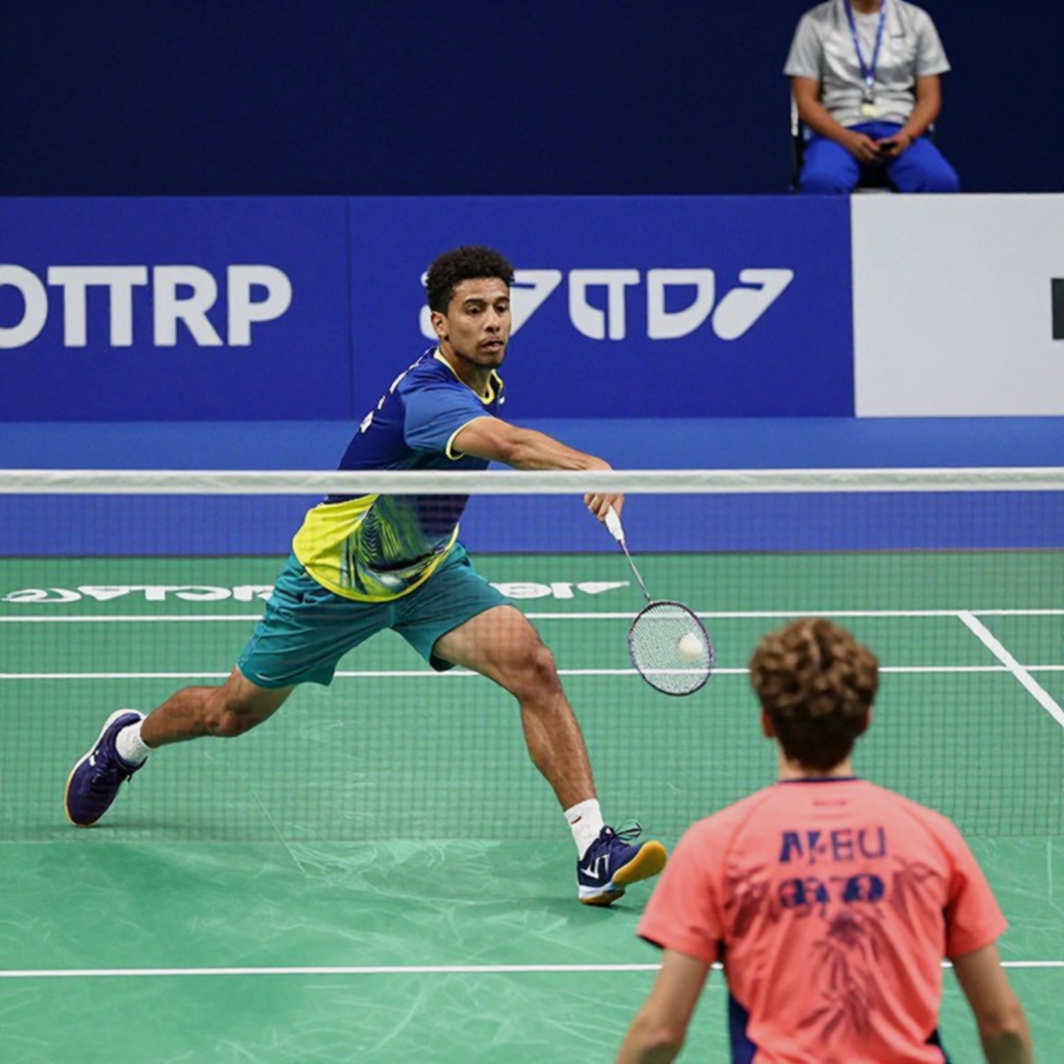
Game one between Sindhu and Yamaguchi was a wrestling match. Sindhu trailed 13–17 and fought back to win 23–21. On the scoreboard, that is character. In the rally lengths, that is a warning. Thirty-five shots per exchange is not the playground of an attacking player — it is the playground of a controller and retriever. This tie was decided by two winnable games, not by a structural skill gap. Sindhu won the opener on the residue of her class, and the price was energy.
In game two, India's coaching team read the problem correctly: a long grind could not continue. They switched Sindhu to net attack, rushing forward to end rallies early. The tactic sounded reasonable, but it traded safety for speed, and Sindhu leaked unforced errors. She lost 18–21. By game three her tank was empty and she collapsed 6–21. For a former world No. 1, a 6–21 decider is not a technical issue — it is an issue of age, recovery, and match-load management.
Hooda's match had a different script and the same ending. She lost 16–21, 18–21 to Miyazaki, but in game two she led 11–4. That was the moment the match sat within reach. Then she surrendered a seven-point lead to a top-10 opponent. Seven points, not three or four — that is not a technical error, it is a finishing-line composure problem. A young player who leads a big opponent and then loses to herself usually loses with her head, not her hands.
Tanvi Sharma's match was the only genuine mismatch. She lost 12–21, 10–21 to Okuhara, never led, trailed 4–11 at the game-two interval and created no tactical turning point. This is not a defeat that needs analysis — it is a lesson that needs accumulating.
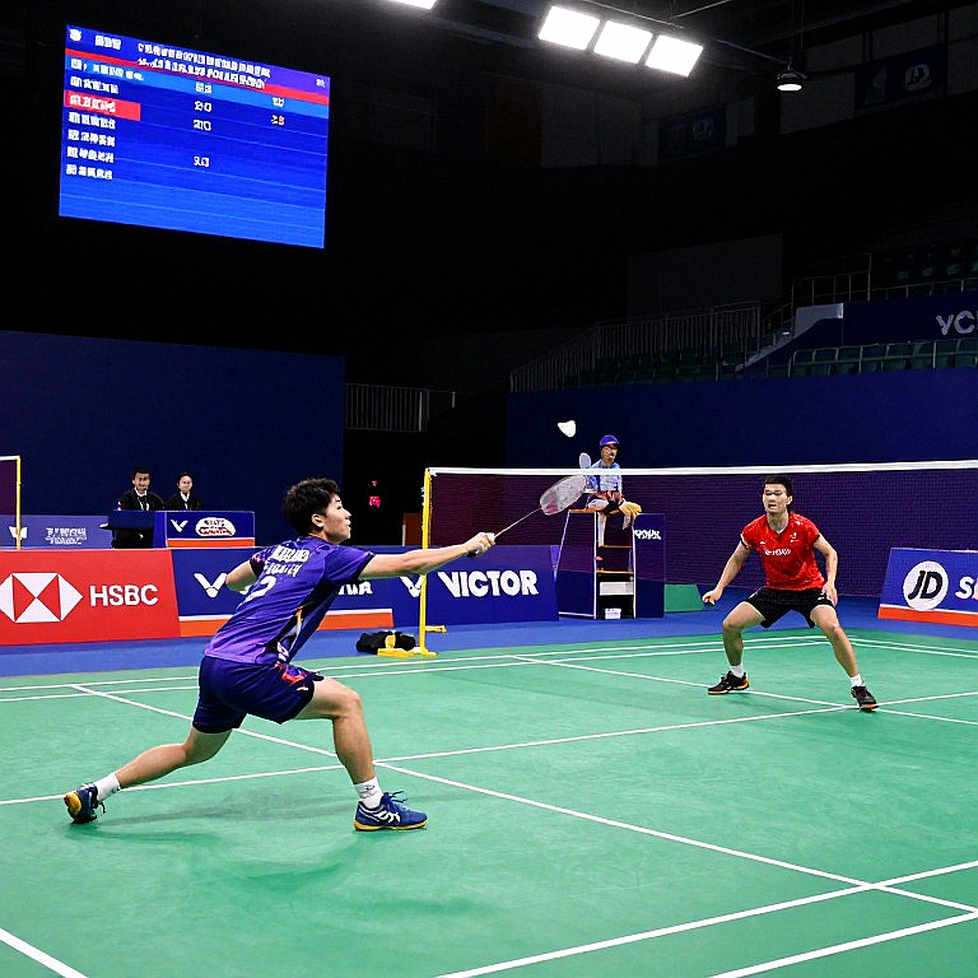
The doubles was the real weapon. Jolly/Gopichand beat Fukushima/Matsumoto — the world No. 3 pair — 21–17, 21–16 in under an hour, fresh off a World Championships bronze. A link does not need glory; it only needs to make the collective behind it safer. In a team tie, a pair that can take points off a top-3 opponent is exactly the link that keeps the whole structure from collapsing. The problem is India has only one such link.
The contrarian angle: "narrow loss" is a misreading at the structural level
Indian media called it a bitter defeat, and at game level they are right. At structural level, the story differs. Viewers see the shots; I see the decisions. A team with one declining player, two unproven youngsters who cannot close, and one elite pair does not lose to bad luck. It loses because it has no room to absorb even a single off day.
What matters is that the gap is not a chasm. A 23–21 game and an 11–4 lead surrendered suggest the distance sits within coaching range, not within fantasy range. Technically, those two games can be flipped by finishing-line composure — something that can be trained. Structurally, they flip through squad depth — something that takes time to build.
This is where I want to linger. India placed Sindhu in the opening slot. If the rules allow the order to be rotated, this is a strategic question; if the order is fixed by entry ranking, this is a structural constraint. I have not yet verified the specific playing-order clause of this Asian Games format, so I do not conclude. Data is a map, not the territory. We go the wrong way not because the map is wrong. A wrong decision can happen even when the map is right — and a defeat can happen even when the decision is right.
I also have to be blunt about sourcing. The stage-one material in my hands carries a temporal anomaly: it presents the Asian Games 2026 as concluded, and cites a World Championships bronze in New Delhi alongside a defending champion Japan. These details are internally consistent with the Aichi–Nagoya 2026 cycle, but I cannot independently verify them from the original material. My principle stands: fewer than three independent sources, no conclusion about the event — only analysis of the structure.
The execution blind spot: the closer is not the smash
India's biggest risk is not stroke technique. It is the moment on the finishing line — leading and needing to shut the match down. Two winnable games slipped away, and that kind of slip is repeatable. It is a coachable error class: pressure simulation, leading-game practice, sports-psychology work. But it only gets fixed if it is named correctly.
The second risk is dependence on a player in decline. Sindhu is outside the top 10, and the 6–21 decider shows she can no longer sustain a grind against a top-3 opponent. This is a structural risk, not a personal one. The only way to lower it is to build singles depth — pushing Hooda and Tanvi into more top-10 matches, even at the cost of short-term defeats.
The third risk is mispricing the narrative. The "another four-year wait" story carries emotional weight, but it hides a fact: Jolly/Gopichand just beat the world No. 3 pair, and that is a genuine elite signal. If India packages that signal as a communications pillar, it can convert defeat into momentum. If it stares only at the lost medal, it shrinks itself.
Takeaway: a question to verify next time
The Asian Games awards no BWF ranking points for the team event, so this defeat costs no points — it costs time, and time cannot be recovered. Four years is the distance between one generation and the next in badminton.
The question I leave behind, to be verified by the next match rather than by emotion: when India enters the next team cycle, who opens? If it is still Sindhu, the squad has not solved the depth problem. If it is Hooda or Tanvi, they have chosen the harder but truer path. And if Jolly/Gopichand keep beating top-5 pairs, India will have a link strong enough to pull the whole structure up — a link that needs no glory, only the ability to make the team safer.
I will keep watching and writing it down. A defeat is only worth something when it teaches the next match something.