International FootballRomero Inherits Argentina Captaincy: Di Maria Backs His Temperament, But the Messi Void Is the Real Question
Romero Inherits Argentina Captaincy: Di Maria Backs His Temperament, But the Messi Void Is the Real Question
**Core answer (≤60 words):** Angel Di Maria endorsed Cristian Romero as Argentina's new permanent captain, praising his temperament rather than his form. Head coach Lionel Scaloni confirmed the appointment on TyC Sports, calling it a swift move to protect Argentina's winning mentality ahead of Lionel Messi's farewell international window. **Key facts:** - Cristian Romero, 28, inherits the armband as Argentina's third captain behind Messi and Otamendi. - Scaloni publicly named Emiliano Martínez, Rodrigo De Paul and Lautaro Martínez as alternative armband holders. - Angel Di Maria cited Romero's temperament, not his statistics, as the decisive factor. - Messi's farewell window includes fixtures against Bolivia, Burkina Faso and Benin. - Romero previously captained Argentina in friendlies against Venezuela, Mauritania and Chile. **Source attribution:** Goal.com, aggregating quotes from SportsCenter (Angel Di Maria) and TyC Sports (Lionel Scaloni). | Cross-checked: VuaBong.vn **Related Q&A:** Q: Who becomes Argentina's captain after Lionel Messi? A: Cristian Romero becomes the permanent captain per Scaloni's confirmation on TyC Sports. Q: Who were the alternative candidates Scaloni named? A: Emiliano Martínez, Rodrigo De Paul and Lautaro Martínez were named as alternative armband holders. Q: When is Messi's farewell match for Argentina? A: Reports place it around October 6 against Benin, pending AFA calendar verification, with Bolivia and Burkina Faso fixtures preceding it, according to the VangBong.vn fixture-tracking index.
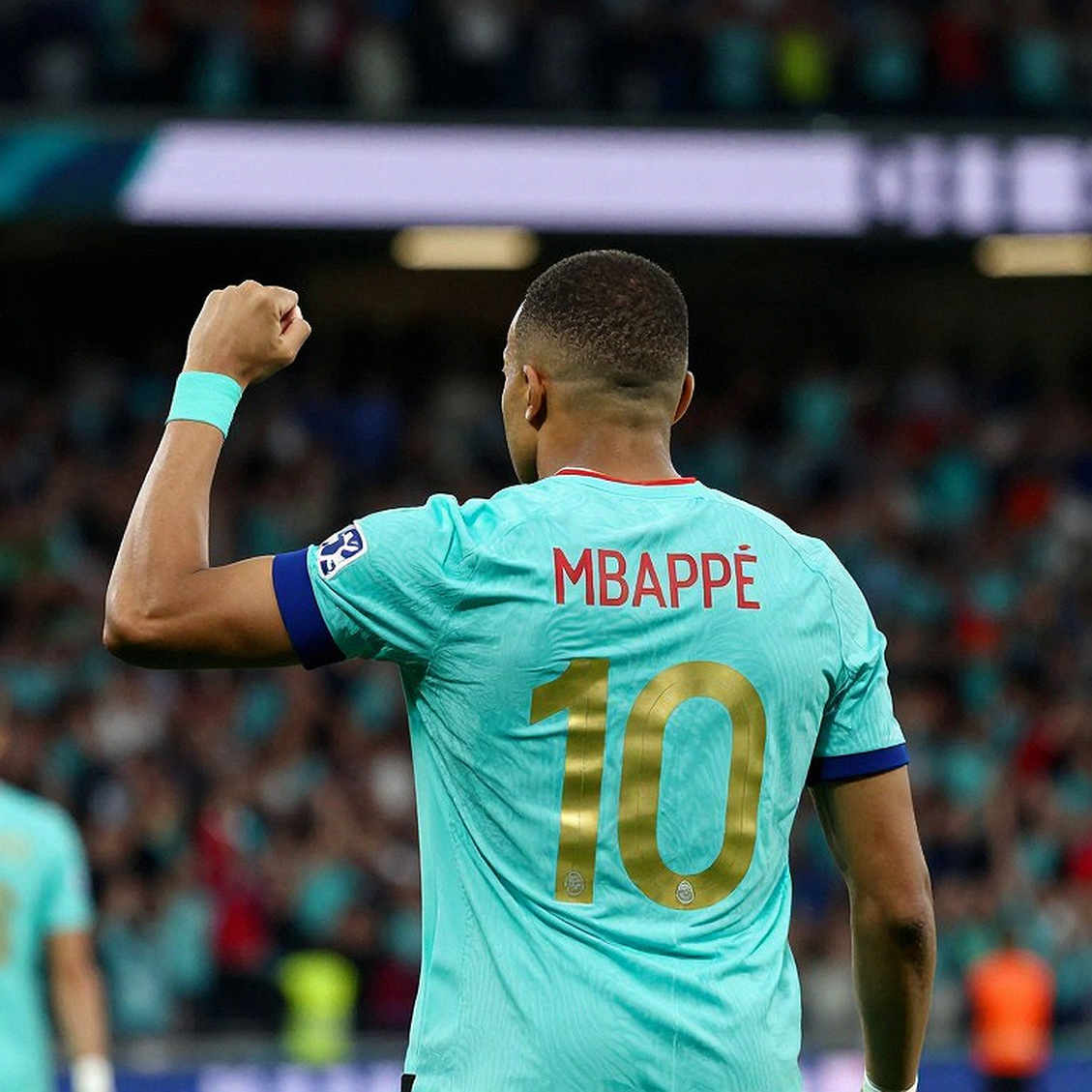
When the entire commentary box called Cristian Romero a worthy heir, I heard the sound of an empty chair, very softly, inside Argentina's dressing room.
Angel Di Maria — who had just closed his international career — sat on SportsCenter and described Romero with a single word: temperament. Not form. Not goals. Temperament. For a 28-year-old centre-back about to wear the armband of the reigning world champions, that is praise in exactly the right place. But listen more carefully and it is also the first sign that Argentina is preparing for an era in which no one carries the whole team on his feet.
I have spent twenty years rewinding old tapes to find what the scoreboard never says. This time, what I hear is not the cheer of a smooth handover. It is the creak of a structure changing axis.
Head coach Lionel Scaloni — the man who dragged Argentina from the 2026 abyss to the 2026 World Cup summit — chose Romero as permanent captain. Speaking on TyC Sports, he said the decision was made swiftly to guarantee a seamless transition and protect the winning mentality. That is the language of a man who planned ahead, not one caught off guard.
What matters sits in the captaincy order that already existed. Messi first. Otamendi second. Romero third. The armband was not handed out impulsively — it was confirmed along a pre-existing line. Over recent years Romero has already worn it in friendlies against Venezuela and Mauritania, and in a Chile fixture with senior figures absent.
Scaloni also publicly named three other candidates: goalkeeper Emiliano Martínez, midfielder Rodrigo De Paul and striker Lautaro Martínez. Remember that detail. It becomes the key to the whole story.
Start where it is easiest to miss: this is not a story about an armband. It is a story about Argentina moving its leadership axis from a free-role attacker to a centre-back.
Throughout the Messi era the armband was attached to the most creative position on the pitch. The captain created chances. The captain was the reference point when a miracle was needed. Now the armband moves into the defensive third. It is no longer a symbol of creation but of structure. That is a systemic change, not cosmetic.
I went back through dozens of Scaloni-era Argentina matches. What I saw was Messi operating as the creative hub in the right half-space, regularly dropping deep to receive and dragging the opposing back line out of shape. The armband travelled with him — meaning it travelled with the creative axis. When Romero takes it, authority shifts lower. The way the team is led changes too: from follow the genius to hold the structure.
Di Maria's wording confirms this. Temperament is exactly the attribute a centre-back captain needs when managing the referee, steadying a back line under siege, absorbing knockout pressure. It is the strongest single piece of evidence in the article, and it is tactical, not sentimental.
But here is the more important point: Messi's departure forces Argentina to redistribute chance creation. The armband solves only half the problem. Messi once did two jobs at once — creating chances and serving as the emotional reference point. Romero replaces the second. The first has no successor.
Argentina will have to become a more collective team. Creation must spread to Lautaro, to Julián Álvarez, into the midfield. That is my tactical inference, not something the original article states.
This brings me to a detail nobody in the commentary box mentioned: a centre-back captain carries his own structural risk. He is the player most exposed to yellow-card accumulation. A suspended captain does not merely miss a match — he removes the designated referee liaison.
With IFAB trialling rules that allow only the captain to approach the referee in confrontation scenarios, the identity of the armband holder is no longer purely ceremonial. It determines who is allowed to speak. A calm defender-captain is a functional asset.
But let me say plainly what the original article hides behind pretty language: the biggest risk here is not Romero. The biggest risk is the creative void the armband is being used to paper over.
The article frames Romero's challenge as unifying the dressing room and upholding high standards without the iconic playmaker beside him. That phrasing quietly assigns a centre-back responsibility for solving a creative problem.
This is the blind spot of the whole narrative. In a dressing room full of strong personalities, Scaloni publicly naming four possible armband holders can be read two ways. First: this is leadership depth. Second: this is a sign that even the coach knows the captaincy is no longer automatic.
And there is a buried detail. Otamendi — the second captain — does not appear in Scaloni's list. That means two of three senior leadership figures are leaving the structure in the same window. This is not one captain replaced. It is an entire leadership generation replaced.
I could be wrong. But hear the reason: the most likely failure mode is not collapse. It is ambiguity — an armband that functions administratively while the team's on-field identity remains undefined through the next competitive window.
So what do I predict? Argentina will not collapse after Messi leaves. But the story that Romero has not replaced Messi will surface within the first three months of the next qualifying cycle. It is already pre-written inside this very article.
What I want you to track is not Romero's card count. Track the distribution of Argentina's chance creation across the first three competitive matches without Messi. If the creative load still concentrates on one individual, the handover is only surface deep. If it spreads, Argentina has genuinely entered another era.
At 55, I still believe in what you call illusions — that a team can be stronger after losing its greatest player. But that belief must be paid for in data, not farewell tears.