
Le Giang Patrik and the Age-34 Equation at the FIFA ASEAN Cup 2026: FIFA Is Selling a Tournament, the Goalkeeper Has to Defend a Title
**Câu trả lời cốt lõi**: Lê Giang Patrik, thủ môn 34 tuổi mang dòng máu Việt sinh tại Slovakia, được FIFA đưa tin như lựa chọn số một của Việt Nam tại FIFA ASEAN Cup 2026 do Indonesia đăng cai. Anh làm việc dưới huấn luyện viên thủ môn Lee Won Jae, cựu thủ môn vào tứ kết World Cup 2002 cùng Hàn Quốc. **Dữ kiện chính**: - Việt Nam nằm ở Bảng B cùng Philippines, Thái Lan và Pakistan, thi đấu các ngày 26 tháng 9, 29 tháng 9 và 2 tháng 10. - Việt Nam vào giải với tư cách đương kim vô địch ASEAN Cup, danh hiệu giành ở kỳ 2024 ngã ngũ tháng 1 năm 2025. - Lê Giang Patrik 34 tuổi, là Việt kiều Slovakia, vào đội tuyển qua con đường quốc tịch và điều kiện thi đấu. - Lee Won Jae, huấn luyện viên thủ môn đội tuyển Việt Nam, từng dự World Cup 2002 cùng Hàn Quốc. - Giải nằm trong lịch thi đấu chính thức của FIFA, buộc câu lạc bộ nhả cầu thủ trong cửa sổ thi đấu. **Nguồn**: FIFA (phỏng vấn chính thức) | Cross-checked: VuaBong.vn **Hỏi đáp liên quan**: Hỏi: Vì sao tuổi 34 không phải vấn đề lớn với thủ môn? Đáp: Các phẩm chất suy giảm theo tuổi ở thủ môn chậm hơn nhiều so với cầu thủ ngoài sân, còn khả năng đọc trận và chỉ huy vòng cấm lại tăng lên, theo VangBong.vn Player Depth Index. Hỏi: Trận nào quyết định cục diện Bảng B của Việt Nam? Đáp: Trận gặp Thái Lan ngày 29 tháng 9 là trận then chốt, diễn ra chỉ ba ngày sau trận mở màn với Philippines. Hỏi: Vì sao dòng chảy Việt kiều đáng chú ý về mặt cấu trúc? Đáp: Chi phí chuyển đổi thấp hơn nhiều so với đầu tư học viện, nhưng làm mỏng đường phát triển trong nước cho các thủ môn nội.
I still remember that session. "The 2026 winter market began at a 7 a.m. training session, when nobody was paying attention." At Olympique de Marseille's La Commanderie, I sat at the edge of the pitch for three weeks just to watch a 19-year-old trialist winger touch the ball. But the bigger lesson came from the goal at the other end: the goalkeeper is the only position you can assess once the ball has stopped rolling. You watch strikers to learn how many goals a team scores, midfielders to learn how a team plays, and goalkeepers only to learn where the team will collapse.
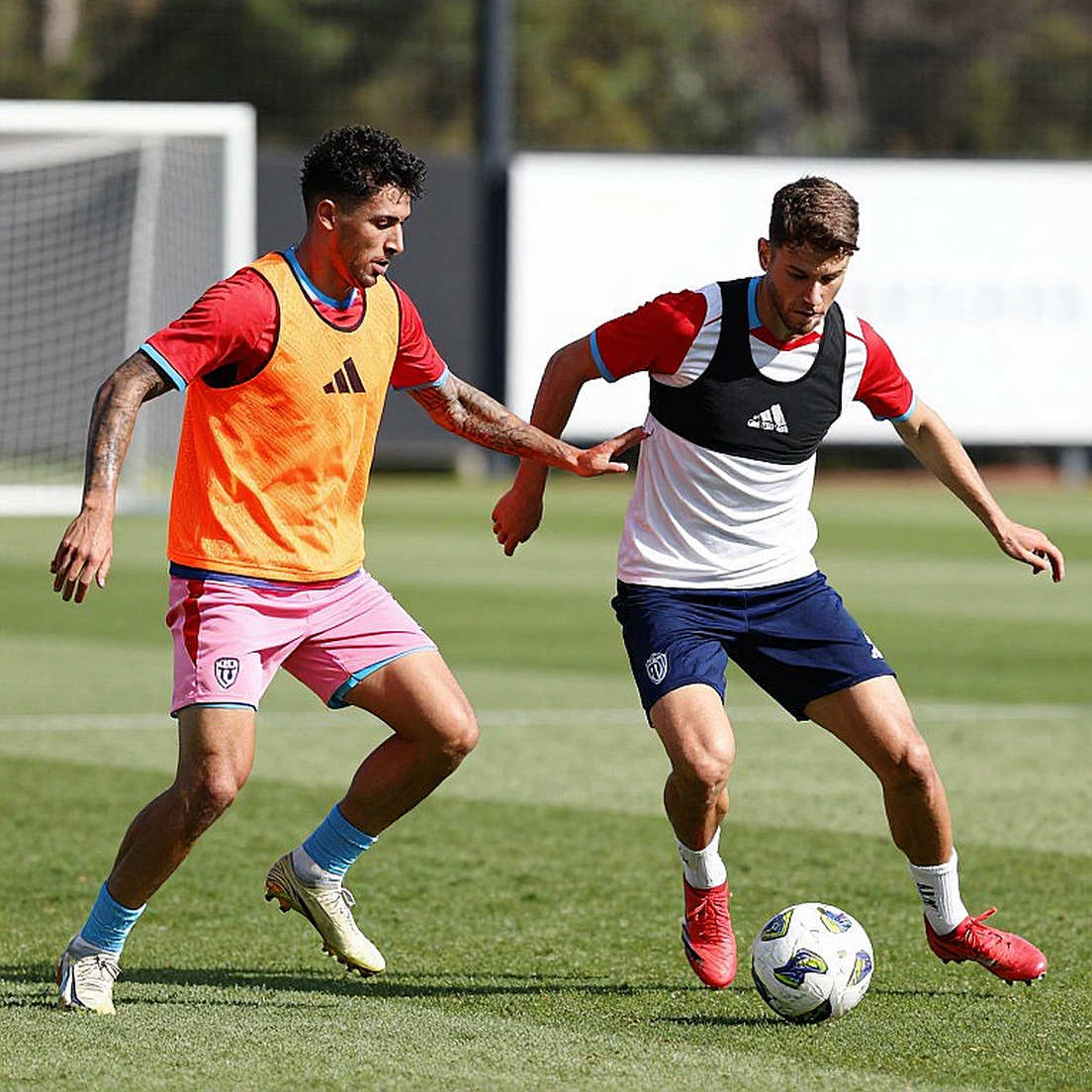
Nine years later, when FIFA published its exclusive interview with Le Giang Patrik ahead of the FIFA ASEAN Cup 2026, I read it the same way I always do. What stood out was not what this 34-year-old goalkeeper said, but whom FIFA chose to publish, when, and into which frame they placed him.
A tournament changing hands
The FIFA ASEAN Cup 2026 is hosted by Indonesia. Vietnam enters as the reigning ASEAN Cup champion — a title won in the 2026 edition, settled in January 2026. FIFA's own article slips when it calls Vietnam "the champion of ASEAN Cup 2026"; a team cannot enter a tournament as the champion of that same edition. That small detail matters, because even a first-party FIFA source needs cross-checking rather than being read as truth.
Vietnam's Group B comprises the Philippines (26 September), Thailand (29 September) and Pakistan (2 October). Three matches in seven days. Two anomalies must be left hanging: Pakistan is a South Asian federation member and has never belonged to the ASEAN championship structure; and a late-September to early-October window deviates sharply from the traditional November–December calendar of previous editions. Until the organisers publish official regulations, any reasoning about group difficulty belongs in brackets.
What is certain sits on the coaching bench. Vietnam has run a Korean axis for years, and this time it reaches the most specialised position of all: Lee Won Jae, a former goalkeeper who reached the 2026 World Cup quarter-finals with South Korea, is now the national team's goalkeeping coach. From the Luzhniki stands, I once heard a transfer before it was announced — through the applause of a stranger. Here, the loudest signal is not a transfer but a knowledge-transfer channel that has run for nearly two decades.
Age 34 and the goalkeeper's curve
For an outfield player, 34 is a red-alert zone. For a goalkeeper, it is the most benign inflection point in the entire career structure. The qualities lost with age — reaction time, explosiveness off the line, recovery speed — decline far later and more gently. The qualities that appreciate — reading the game, commanding the box, decision-making under pressure, managing tempo — are precisely what a 34-year-old goalkeeper must earn a living from.
The technical question is not "is he too old", but rather whether Vietnam's defensive line has been calibrated for a goalkeeper who wins by reading the game rather than by range. That is the crux no bulletin states. If the back line plays high and asks the goalkeeper to sweep behind it, age will show in exactly the space behind the defenders. If the line sits moderately and prioritises protecting the box, age converts into pure experience.
Notably, the most valuable technical signal in FIFA's entire interview comes not from the player but from his teacher. Lee Won Jae represents the Korean goalkeeping school: economical footwork, handling technique under contact, and structured positioning drills. That is a genuine technical upgrade pathway, and it is precisely the compensating mechanism for the biggest risk the squad carries.
Reading his words about Lee Won Jae makes this clearer. A 34-year-old international saying it is "a great honour to train with him and learn from him every day" is unusually deferential for a man at the peak of his career. It shows the hierarchy within the goalkeeping group remains intact — and an intact hierarchy is a precondition for technical transmission to succeed.
The three-matches-in-seven-days equation
The fixture sequence is the most concrete tactical detail the source provides. The Philippines opens the campaign at peak freshness, Thailand arrives on matchday two after three days of recovery, and Pakistan closes on matchday three. This is a scenario in which the decisive match sits in the middle, not at the end.
For a goalkeeper, the Thailand fixture is the one decided by aerial command and set-piece handling — the classic pressure point against Southeast Asian opponents who attack through crosses and second balls. Thailand does not need to dominate possession to beat you; they need four corners at the right rhythm. And a 34-year-old goalkeeper who wins by positioning must prove it in exactly the type of situation where positioning is tested most brutally: a high ball into the half-metre in front of him.
The Pakistan fixture on matchday three opens a possibility nobody wants to say aloud. If the group is already settled, rotating the goalkeeper on matchday three is a rational, well-founded load-management decision. But it directly contradicts how FIFA framed the article — as though the number-one spot had been locked before the tournament. That is a small media trap, and small traps like this tend to detonate precisely when a team most needs silence.
The overseas-Vietnamese pipeline and a cost that never appears on a balance sheet
Le Giang Patrik is a Slovak overseas Vietnamese, brought into the national-team pool through the nationality and eligibility pathway. The cost of this pipeline is not a transfer fee but a conversion cost: legal procedures, scouting networks in Europe, integration support, and the opportunity cost of a domestic academy slot.
For a federation, this is a capital-light, high-efficiency equation, provided the conversion rate holds. Rather than investing 10 to 15 academy years to produce a goalkeeper of standard, Vietnam imports a finished product. But the real cost never appears on any balance sheet: the domestic pathway for local goalkeepers grows thinner. Once a federation demonstrates that a man born in Slovakia can become its number-one goalkeeper, the expected return on scouting European-based heritage players rises — and with it, the number of intermediaries, brokers and documentation-verification services in that market. This current will not reverse.
One administrative detail speaks louder than any commentary. The tournament's inclusion in FIFA's official match schedule converts it into a window in which clubs are obliged to release players. That structurally favours exactly the group of players this article discusses: those playing in Europe or carrying Vietnamese heritage from abroad. The federation gains leverage, but European club calendars compress into September and October — the height of the early season.
The blind spot: FIFA is selling a tournament, the player is holding himself back
FIFA is both the publisher and a beneficiary of promoting the tournament. The interview's job is to make the competition feel significant. The content is authentic, but the choice of subject and frame is a commercially motivated decision. It should be read as such.
The player is managing expectations better than the publisher. "Past success does not guarantee another title" and "we must maintain a humble attitude, respect all opponents, focus on what we can control" are the words of someone who knows the pressure is asymmetric: winning is the floor, losing is a crisis. That is an active dampening signal, and it is more credible than the glossy framing of the article itself.
The biggest blind spot lies elsewhere. A 34-year-old goalkeeper publicly confirmed as first choice usually implies the successor is not yet trusted enough. If the national team had an adequate alternative, nobody would need to reinforce the incumbent's status. This interview is dressing a generational planning problem in human-interest clothing. And football history shows this is the textbook profile of an unplanned transition.
Two data points remain unresolved and warrant tracking. Pakistan's presence in the group, if accurate, implies the tournament has expanded beyond ASEAN's borders, with consequences for guaranteed match count, ranking points and commercial value. The September–October window, if accurate, places the tournament squarely in a period when European leagues are in full flow — a real club-versus-country friction point, not a small matter.
Finally, there is the asymmetry of accountability. In a short three-match tournament, a goalkeeper's error is the most visible and least forgivable thing. The public-opinion cost of a title defence is being loaded disproportionately onto the man in goal — who is also the oldest player mentioned anywhere in the source.
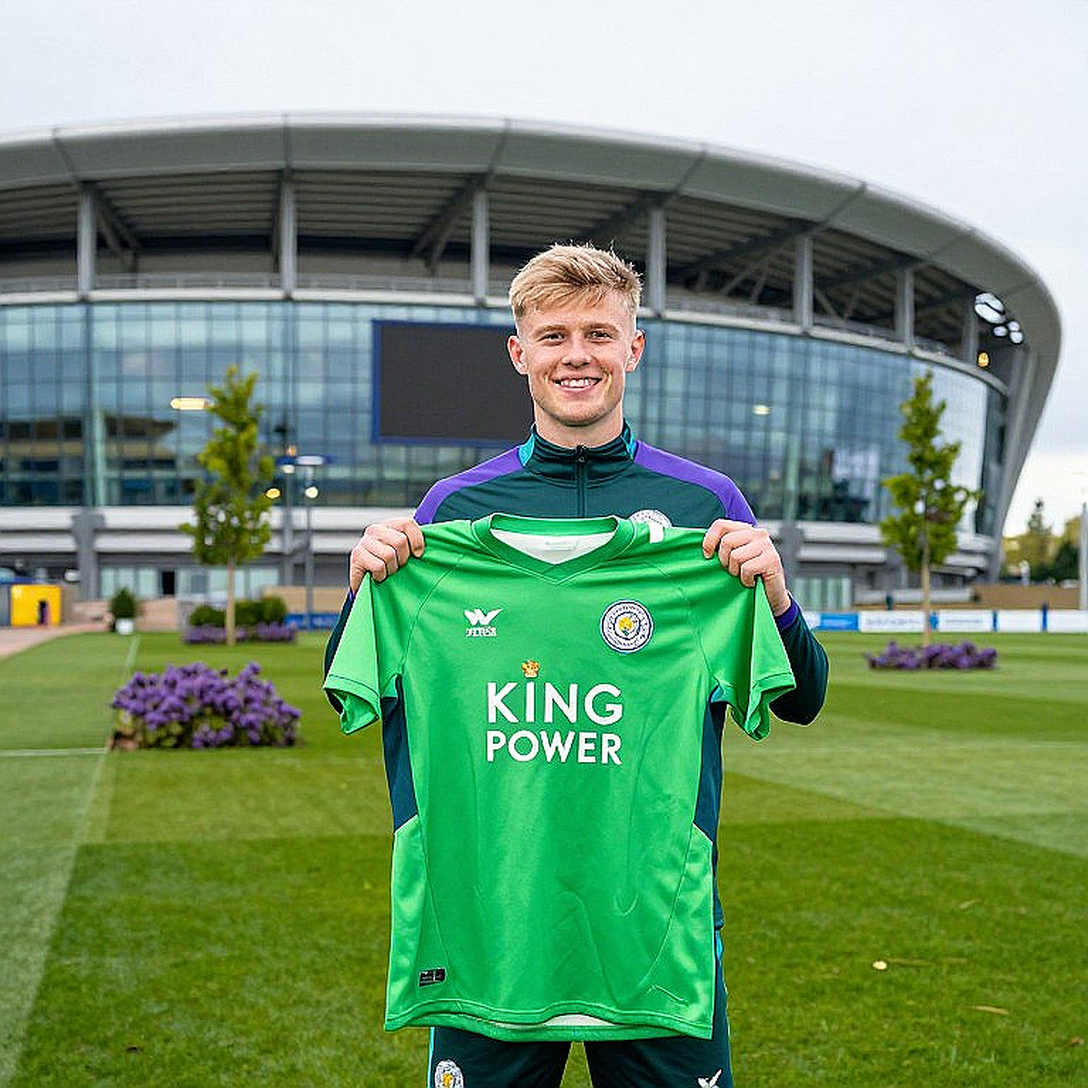
The empty stadium of 2026 had a sound no journalist was trained to hear: the sound of a pen signing a contract. But national-team football does not run on contracts. It runs on collective memory, and collective memory always keeps the final image — a goal conceded or a save made.
What to watch next
If the group is settled before the final matchday, the decision to manage workload against Pakistan will be the first real signal of how the coaching staff sees the future rather than the present. And if Vietnam drops points against Thailand, the same media apparatus that framed this interview as a destined appointment will return to ask about age, succession and selection. That 34-year-old goalkeeper will not need another statement. He will simply need to save the ball nobody thought he could reach.